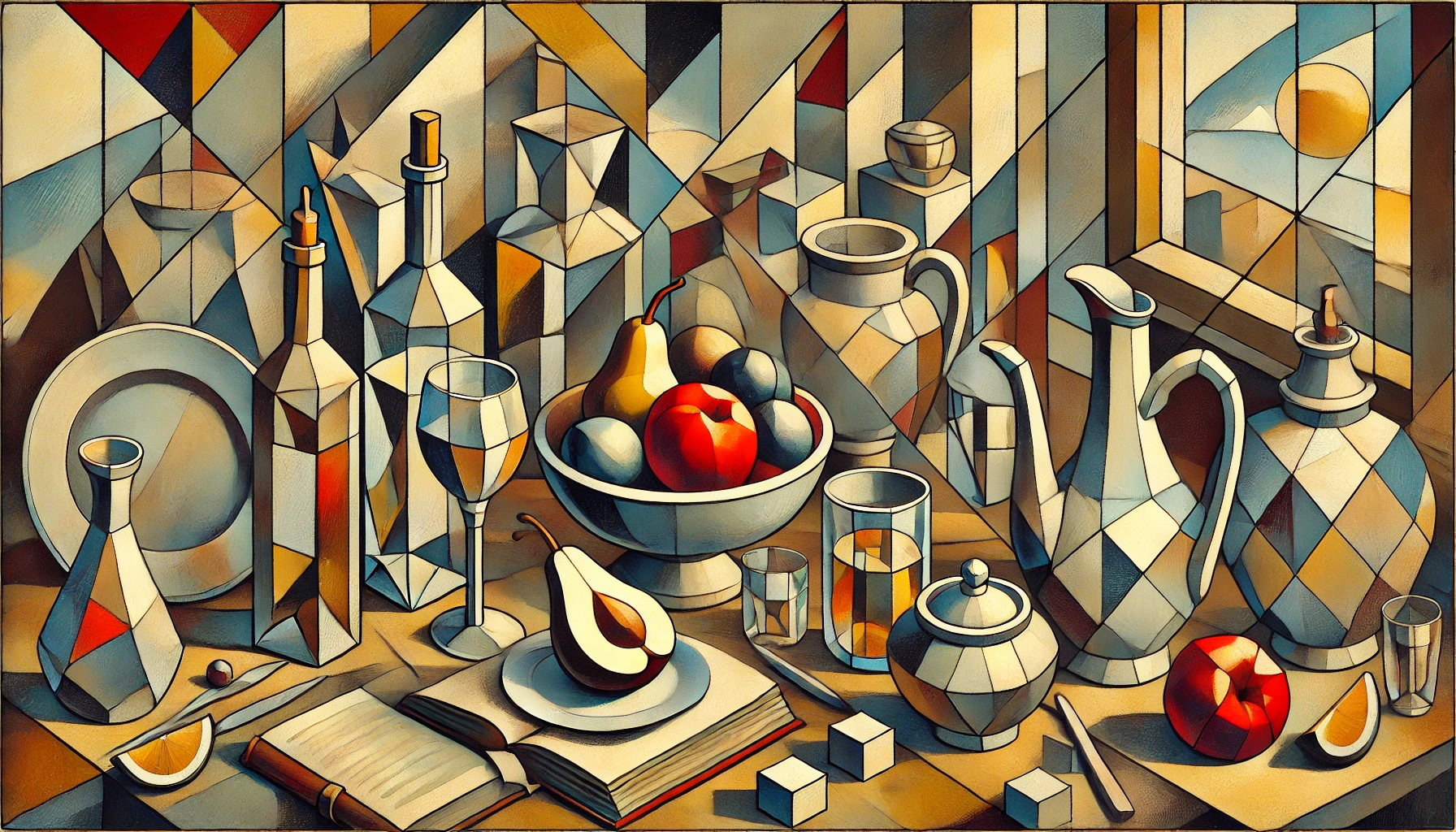
Hello! This is Nico from MY STELLA. Last time, when I introduced Cubism, which fosters children's creativity, we received many voices asking, "What is Cubism in the first place?" In this article, we're going to talk a little more about this unique art! ✨
This is how Cubism was born! 🎨
"Art of the 20th Century" (E.H. Gombrich) According to Cubism, Cubism was born in Paris in 1907. Picasso, who was 27 years old at the time, created a completely new way of expression that overturned the conventional wisdom of "painting from one point of view".
"Cubism is a method of expressing an object as seen from multiple perspectives at the same time, and it brought about revolutionary changes in the art of the early 20th century" (Gombrich, Art of the 20th Century)
Why is it called "Cubism"? 🤔

According to Picasso: Art is Dangerous (Clouzot), the name "Cubism" comes from the word "cube" used by French art critics. The shape of the object from various angles looked like a combination of cubes!
For example, even an apple...
- When viewed from above→ it looks like a flower! 🌸
- When viewed from the side→ it looks like a droplet! 💧
- When viewed from an angle→ it looks like an egg! 🥚
The mysterious relationship 👀 between children's views and Cubism
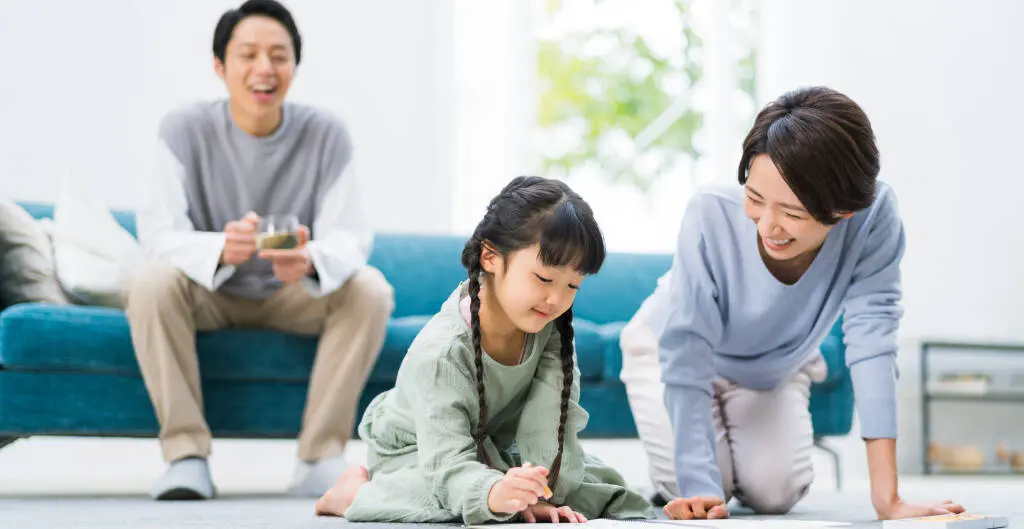
He is also a researcher of children's paintings Yoshihiro Onimaru According to him, interesting findings have been reported:
"One of the characteristics of visual cognition in children aged 4-6 is the ability to observe from multiple perspectives that are not bound by a single point of view."
In other words, children naturally have a "cubist view"! For instance...
- While drawing the mother's face from the front, draw the nose of the profile as well ✏️
- Draw 🏠 the inside of the house as if it were seen from above with the roof removed
- Draw 🧸 the front and back of your favorite stuffed animals at the same time
Let's 🖼️ take a look at the characteristics of Cubism
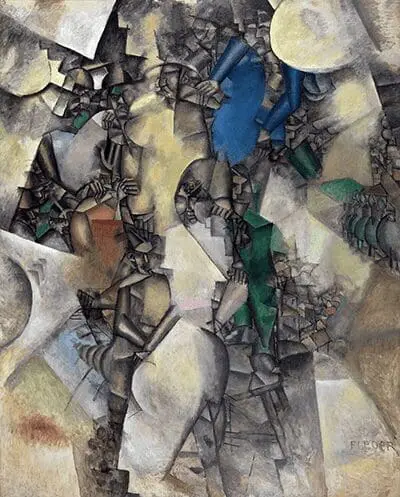
The interesting thing about Cubism is that there is no "right answer". The "Introduction to Art Education" lists the following characteristics:
- Perspectives from various angles 🔄
- Shape seen from above
- Shape seen from the side
- A shape that allows you to see through the inside You can express everything in one picture!
- Free use of colors 🎨
- It's OK if the sky is purple
- Even if the apples are blue, it's OK
- You can express it in any color you like
- Enjoy the change of shape ✨
- Round a square object
- Round things into triangles
- It can be transformed into a free form
Children's Sensibilities 💫 Growing Up in Cubism
Furthermore, the power to grow through Cubism is pointed out as follows:
- Observational skills 👀
- Get into the habit of looking carefully
- So that you can make new discoveries
- Imagination 🧠
- "Maybe..." spreads
- Free thinking grows
- Expressiveness 🎨
- Find your own way of expressing yourself
- You can give shape to what you want to convey

Summary: The Wonderful Relationship 🌟 between Children and Cubism
In the educational program materials of the Tokyo Metropolitan Art Museum:
"Children's free perspectives sometimes have creativity that transcends adult stereotypes."
It is said.
Cubism goes surprisingly well with the honest sensibilities of such children. No special tools or skills are required. The important thing is to work with your child to say, "Heh~!" and "Amazing!" Time to share "Interesting!" The accumulation of this is the 🌱 best nutrition for nurturing children's creativity
Let's get started tomorrow! The "fun!" of you and your child will nurture 💖 the buds of new talents
#子育て #アート教育 #キュビスム #創造力 #子どもの感性 #創造性教育 #育児を楽しむ
References and Citations
Books:
- "The Story of Art" by E.H. Gombrich (translated by Phoebe Snow) (Phaidon Corporation, 2019)
- "Picasso's Works" by Yasujiro Otaka (Tokyo Bijutsu, 2022)
- "Logos of Children's Paintings: Physicality and Vision" (Keiso Shobo, 1981)
- "Plastic Expression of Infants" by Atsumi Hana and Sogo Okada, ed. (Nursery Publishing House, 2003) )
Public Institutions and Museums:
- Ministry of Education, Culture, Sports, Science and Technology Early Childhood Education and Childcare Promotion System
- Tokyo Metropolitan Art Museum
- The National Art Center, Tokyo
Related information:
![[The World of Ninjas] Part 1: Why Do Children Be Obsessed With Ninjas? To that psychology and growth...](https://blog.mystella.me/wp-content/uploads/2025/01/ninja_master_and_apprentice-1-1-300x190.webp)
![[Ninja World] Part 3: Children's abilities explode with astonishing ninja secrets! You can do it at home...](https://blog.mystella.me/wp-content/smush-webp/2025/03/ninja-family-livingroom-watercolor-300x168.jpg.webp)