In this article, we will explain specific methods and practical points to increase children's self-esteem.
Also 自己肯定感の定義と基礎もあわせてご覧ください。
In recent years, the low self-esteem of children in Japan has been seen as a problem, which is also a factor in declining motivation to learn, bullying, and school truancy. A survey by the Ministry of Education, Culture, Sports, Science and Technology also pointed out that children in Japan have low self-esteem compared to other countries.
By reading this article, you will understand the importance of self-esteem, and how to engage effectively according to your child's age. In addition, we will introduce specific examples of calls that can be done at home and tips on how to get involved recommended by experts.
You can learn how to develop a sense of self-affirmation that supports children's mental health in their daily lives, and how to take a practical approach.
1. What is self-affirmation? An important force that supports children's mental health
Self-affirmation is "the feeling that you think you are important" and a state of mind that accepts that "you are okay with being yourself" is.
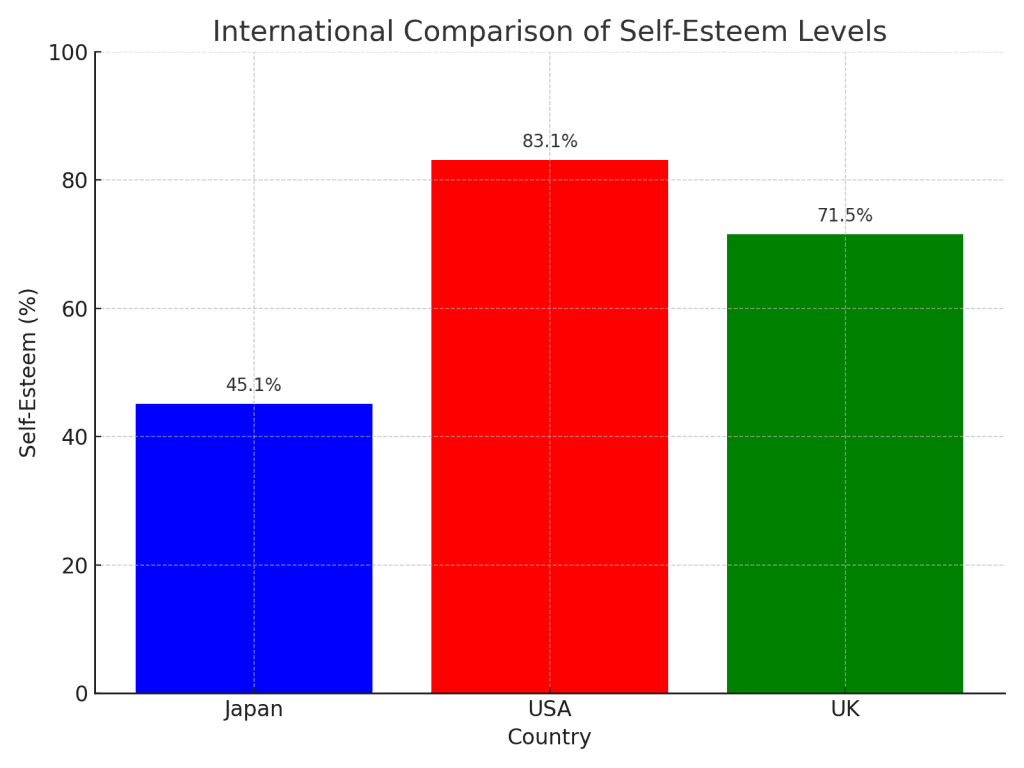
According to a survey by the Cabinet Office, the self-esteem of young people in Japan is at a low level even internationally. The percentage of respondents who said they were "satisfied with themselves" were:
- Japan: 45.1%
- USA: 83.1%
- United Kingdom: 71.5%
1.1 Characteristics of children with high self-esteem
Children with high self-esteem share the following common traits:
- They are curious and can work on various things with interest
- Don't be overly afraid of failure and be able to try new things
- You can take care of yourself and others
- Don't compare yourself to others more than necessary, and keep yourself
- Be able to express your opinions and feelings honestly
1.2 The impact of self-esteem on children's development
According to a survey by the Ministry of Education, Culture, Sports, Science and Technology, It has been shown that self-esteem has a significant impact on children's motivation to learn, interpersonal relationships, and mental health 。 Specifically:
- Increased motivation to learn
- Perseverance in the face of difficulties
- Friendships will improve
- Increased stress resistance
1.3 When is self-esteem fostered?
Research by the Ministry of Health, Labour and Welfare According to, In particular, experiences and relationships with those around you from infancy to school are considered important times to form the foundation of self-esteem 。
1.4 Factors affecting the formation of self-esteem
According to a study by the Benesse Institute for Education, the following factors are important in the formation of children's self-esteem:
- Proper approval from parents and teachers
- A safe home environment
- Accumulation of successful experiences
- Good relationships with others
2. Characteristics and effects of children with low self-esteem
Children with low self-esteem often exhibit the following characteristics, and early awareness and appropriate support are important 。
2.1 Behavioral characteristics
Children with low self-esteem are often associated with the following behavioral traits:
- Hesitant to try new things
- Excessive fear of failure
- Avoid giving opinions in public
- Perfectionist tendencies
- Worrying too much about other people's evaluations
2.2 Psychological characteristics
Survey by the Ministry of Health, Labour and Welfare According to , children with low self-esteem have the following psychological characteristics:
- I don't have confidence in myself
- It's easy to get depressed over trivial things
- Feelings of inferiority compared to others
- Not good at expressing one's opinions and feelings
2.3 Impact on learning and life
It has been pointed out that low self-esteem has a significant impact on children's motivation to learn and daily life :
- Decreased motivation to learn
- Difficulty concentrating
- Difficulties in building friendships
- Disturbance of the rhythm of life
2.4 Future Implications
Research by the National Institute for Educational Policy According to the report, low self-esteem in childhood can have long-term effects, such as:
- Passivity in career choice
- Difficulties in interpersonal relationships
- Negative impact on mental health
- Challenges of social adaptation
2.5 Relationship with the home environment
Low self-esteem may be associated with family environmental factors, such as:
- Excessive reprimands and negative feedback
- Excessive expectations or demands
- Lack of communication between parents and children
- Lack of approval experience at home
3. 5 ways to engage to increase self-esteem
In order to increase children's self-esteem, the way they interact on a daily basis is very important 。 Here are five effective approaches based on scientific research and expert knowledge.
3.1 Listen to your child
Listening sincerely to your child's words and accepting their feelings is the foundation for developing a sense of self-esteem 。
Specific points:
- Listen to each other
- Listen to the end without interruption
- Use words that show empathy, such as "yes" and "yes, yes"
- Don't deny your child's feelings, accept them first
3.2 Acknowledge the effort or process
By specifically acknowledging not only the results, but also the effort and growth process leading up to them, children can gain confidence 。
Examples of effective voices:
- Instead of "You did a good job", "It's amazing that you devised ○○"
- "I couldn't do it, but I had the courage to take on the challenge."
- "You're better than yesterday."
3.3 Create an environment where you are not afraid of failure
By viewing failure as an opportunity to learn and creating an environment that celebrates challenges, children will have the courage to try new things 。
Important points:
- When you fail, think together about what you can learn from that experience
- Make a constructive suggestion, "Let's do this next time"
- Parents themselves are not afraid of failure and show signs of taking on challenges
3.4 Find and develop your areas of expertise
Each child has unique talents and interests. By finding and developing them, self-esteem is greatly nurtured 。
Practical Points:
- Focus on areas that show your child's interests
- Provide opportunities for a variety of experiences
- Helping you build on small success experiences
3.5 Cherish warm time with family
Spending quality time with family gives children a basic sense of security that they are loved 。
Specific methods:
- Set aside time to eat together every day
- Make conscious time to spend with your family on holidays
- Value skinship
- Find hobbies and activities that your family can enjoy together
4. Age-specific approach
Different children's age and developmental stage have different approaches to developing self-esteem. Let's take a look at the appropriate way to engage according to age.
4.1 Engagement in early childhood (0-6 years old)
This is the most important time to form the foundation of self-esteem is. Be aware of the following points:
・Take a lot of physical contact and show unconditional affection
・Through play, rejoice together in what you have been able to do
・Reduce negative words such as "no" and "no"
・Respect the child's pace and don't rush it.
Specific practical examples for fostering self-esteem in early childhood:
・When you help, say "thank you" and thank you
・Value the time to read before going to bed
・When playing in the park, be close to your child's interests.
・Even if you fail, encourage them by saying, "It's okay."
4.2 How to engage with school children (7-12 years old)
This is the time when school life begins and comparisons and competition with friends increase. The following assistance can be effective:
・Recognize not only the results of study and lessons, but also the process of working on them.
・When you are worried about your relationship with your friends, listen carefully
・Give them roles at home and allow them to work responsibly
・Provide opportunities to develop hobbies and special skills
Specific examples of calling out to school children:
・"Don't worry about your test scores, you studied hard."
・"You don't have to compare yourself to 〇〇-kun, you can be you."
・"If you have any problems, please consult with me anytime."
・"I think what you do is wonderful."
Survey by the Ministry of Education, Culture, Sports, Science and Technology According to the report, children who have more experience with appropriate approval from teachers and parents tend to have higher self-esteem.
It is important for families and schools to work together to develop children's self-esteem is. Also Report of the National Institute for Educational Policy It has been shown that the experience of achievement in school classes and events is a factor that increases children's self-esteem.
5. Conclusion
Developing a child's self-esteem has a significant impact on their future emotional health and growth. Especially in the developmental stage from 0 to 12 years old, the relationship between parents and the adults around them is important. By listening to your child's story, acknowledging the process of hard work, and creating an environment where they can take on challenges without fear of failure, they will grow up confident. It is also effective to find and develop areas of expertise such as exercise, music, and drawing and crafts. Spending warm time with the family on holidays going to the park or cooking together can also help children stabilize their minds. Low self-esteem can also be associated with problems such as school truancy and bullying, so preventive involvement is important. Respecting each child's individuality and conveying the message that "you can be who you are" in your daily interactions is the foundation for fostering a healthy sense of self-esteem.

Frequently Asked Questions
- 自己肯定感を高めるのに最も効果的な年齢はいつですか?
-
特に乳幼児期(0〜6歳)が最も重要な時期とされています。この時期の親との関わりや成功体験が土台を作ります。ただし何歳からでも取り組みは有効です。
- 褒め方で注意すべきことはありますか?
-
「よく頑張ったね」ではなく「○○を工夫したところがすごいね」など具体的に伝えることが効果的です。結果だけを褒めると、失敗を恐れて挑戦を避ける子になる可能性があります。
- 兄弟や友達と比較するのはなぜよくないのですか?
-
他の子と比べることで、子どもは「自分は劣っている」という自己否定につながりやすくなります。「〇〇くんと比べる必要はないよ。あなたはあなたでいいんだよ」という声かけを心がけましょう。
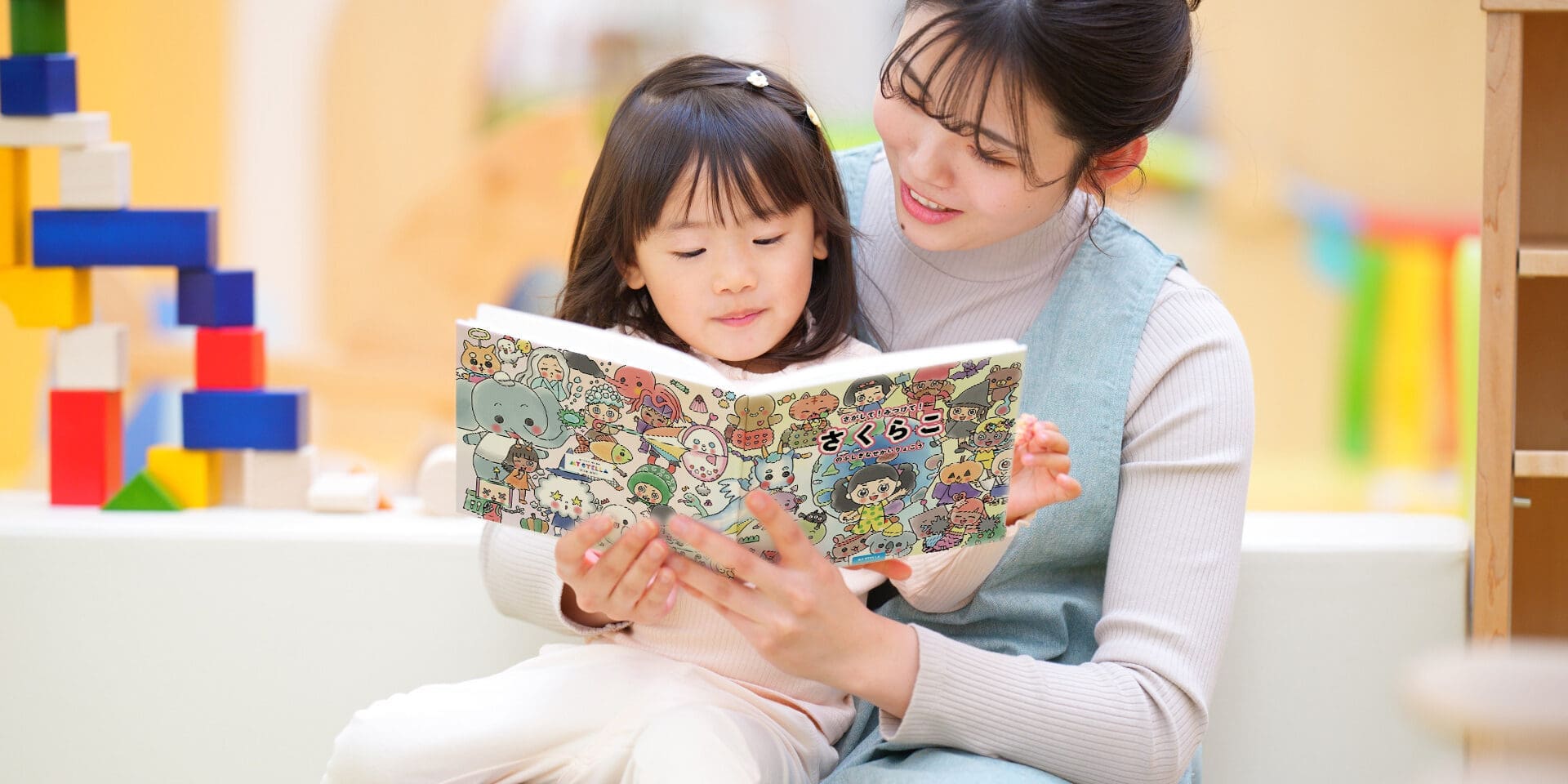
自己肯定感を高める実践の積み重ねの中で、絵本の読み聞かせも大切な時間のひとつです。わが子の名前が入った絵本は、「あなたのことが大好き」というメッセージを毎日届け続けます。