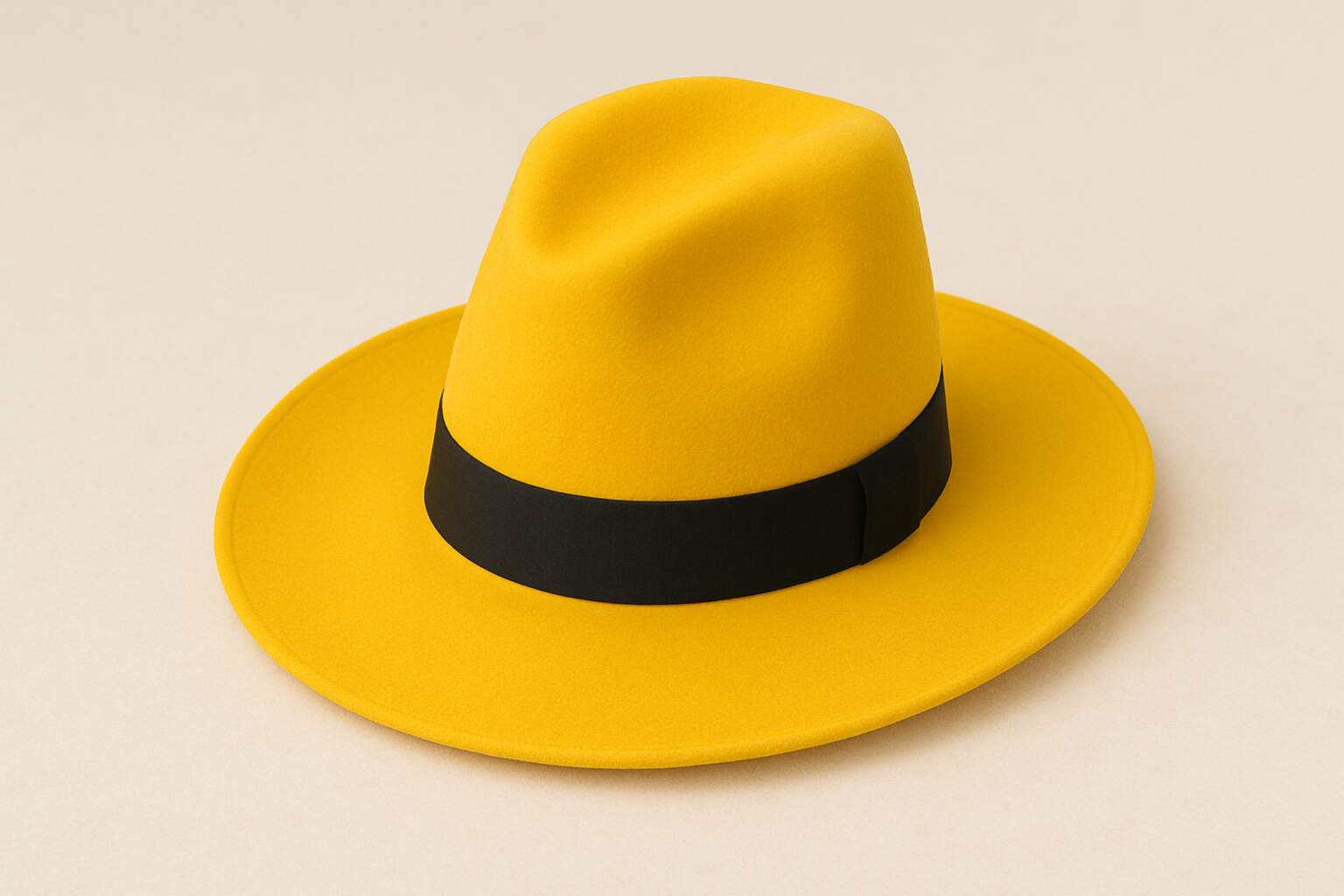
Why is the yellow hat uncle in "Curious George" the ideal parenting model supported by many parents?
Also パパの育児参加が子どもの成長に与える影響もあわせてご覧ください。
Never getting angry with the mischievous George and respecting his curiosity gives us great tips for modern parenting.
In this article, we will unravel the secrets of building a relationship of trust between parents and children from the picture book series that has been loved for over 80 years. We will introduce ideas that can apply the "yellow uncle method of dealing with children" to actual childcare scenes, as well as specific ways to talk to children who turn their mistakes into opportunities for growth. Like the always calm and tolerant uncle in the yellow hat, why not learn how to engage with them while respecting their children's wishes while fostering healthy curiosity?
What is the "Curious George" series?
"Curious George" is a picture book series that originated in the United States in 1941 and tells the story of George, a curious baby monkey, and Uncle in a Yellow Hat. It has been popular in Japan since the 1950s, and it is very young Children It is loved by a wide range of generations, from adults to adults.
From 80-year-old picture books to anime
"Curious George" is a picture book series created by Margaret Ray and Hans August Ray. The couple, who fled the chaos of World War II and moved to the United States, published their first "Curious George" in 1941. Since then, seven picture books have been written by the original authors, and sequels have been drawn by other authors.
In Japan, it was translated and published by Gospel Museum Bookstore under the title "Hitoma Nekozaru", and continues to be a popular program today. This anime is based on the popular PBS series, and the anime series has been broadcast on NHK E-TV since 2007, and as of 2024, it is a long-running program in Japan, celebrating its 18th year of broadcasting.
MY STELLA The "Curious George" series, which is supported by generations, is not just content for children, but also combines educational elements and fun. It has been translated into languages around the world and has now established itself as an international character.
Main characters: George and Uncle in the Yellow Hat
| Character | Features | Role |
|---|---|---|
| George | A curious baby monkey. There is no tail. They can't speak words, but they can understand human language. | The main character. Repeating various adventures and failures out of curiosity |
| Uncle in the Yellow Hat | A gentleman with a distinctive yellow hat. George's guardian presence. | The role of watching over and guiding George. Don't blame George for his mistakes, lead him to learn |
George is a curious baby monkey who met his uncle in Africa and came to the big city by boat with him. Although they cannot speak words, they can understand human language, and their vigorous curiosity leads them to various adventures. Sometimes they cause problems out of curiosity, but in the end, they are depicted solving them with ingenuity.
On the other hand, " Yellow Uncle The Uncle in the Yellow Hat, also known as "The Man with the Yellow Hat," is a guardian who watches over George. In the original picture book, he is described as "The Man with the Yellow Hat," and in Japan anime, he is simply called "Uncle." He is always calm and watchful of any trouble George causes, never getting angry.
The relationship between these two people is unique, as they are both parents and children, and they are friends. NHK official website However, it is introduced as a "story of friendship and adventure". This relationship is a major factor in winning the hearts of many viewers.
[itemlink post_id=”5780″]
What is the name of the yellow uncle?
おさるのジョージの絵本シリーズや映画、テレビアニメに登場する「黄色い帽子のおじさん」は、多くの子どもたちに愛されるキャラクターです。しかし、この穏やかでジョージの面倒をよく見るキャラクターには、長い間公式の名前がありませんでした。
原作の絵本シリーズでは、彼は単に「男」(The Man)もしくは「黄色い帽子の男」(The Man with the Yellow Hat)と呼ばれるだけでした。マーガレット・レイとH.A.レイによって書かれた原作絵本では、その名前が明らかにされることはありませんでした。
2006年に公開された映画「おさるのジョージ」で初めて、この黄色い帽子のおじさんに「テッド」(Ted)という名前が与えられました。テレビシリーズでもこの名前が採用され、彼のフルネームは「テッド・シャックルフォード」(Ted Shackleford)とされています。
This naming was an interesting development for longtime fans. The yellow hat uncle's name made his relationship with George more intimate and tangible. However, for many readers and viewers, he is still affectionately known simply as "Uncle in the Yellow Hat".
Why is the man in the yellow hat so popular?
The uncle in the yellow hat in "Curious George" has gained significant attention in recent years, especially among the child-rearing generation. His gentle response and the way he treats his child, George, resonate with parents who are struggling with parenting today.
A symbol of "childcare without anger" attracting attention on social media
One of the most talked about characteristics of "Uncle in the Yellow Hat" is that he doesn't get angry. No matter what pranks George does, no matter how big a mistake he makes, he will never be angry. This attitude has been spread on social media with hashtags such as "#怒らない育児" and "#黄色い帽子のおじさん育児法", and has resonated with many parents.
On Twitter (X) and Instagram, comments such as "I want to be as calm as an uncle in a yellow hat" and "A sample of the ideal way to treat children" are posted every day. NHKアーカイブスによると、放送開始当初から比べて、近年は特にこの「怒らない姿勢」に注目が集まっているとのことです。
| Trends in SNS post content | Author Attributes |
|---|---|
| "I can't help but get angry like an old man in a yellow hat..." | Parents with preschoolers |
| "The response of the man in the yellow hat is realistic? | 30s raising children |
| "Today I tried the uncle in the yellow hat." | Childcare Blogger |
Especially in situations where they feel tired of raising children, many parents The ideal adult figure として黄色い帽子のおじさんを引き合いに出しています。子育て専門誌『MY STELLA(マイステラ)』の2023年の調査によれば、「理想の保育者像」として黄色い帽子のおじさんを挙げる親は、回答者の27%にも上ったそうです。
[itemlink post_id=”5778″]
Reasons for support from the child-rearing generation
The reason why Uncle in the Yellow Hat is supported by the child-rearing generation is not just "not angry". His response includes a number of elements that are consistent with modern parenting theory.
Official website According to the authors, H.A. Ray and Margaret Ray had an educational philosophy of "valuing children's curiosity". This philosophy is reflected in the character setting of Uncle Yellow Hat.
The main reasons why the parenting generation favors him are:
- Respecting children's curiosity : I accept George's inquisitiveness as much as possible and watch over him from a safe distance.
- Calmness that doesn't get emotional : It is said that the attitude of not getting emotional even when a problem arises and thinking about solutions is helpful
- A perspective that sees failure as an opportunity to learn : Rather than scolding George's failures, he finds something to learn from them
- How to interact with children to foster their independence : The attitude of not only saying "no" but also presenting appropriate options is evaluated
Especially from the perspective of "cultivating self-esteem", which is emphasized in modern parenting, the way the uncle in the yellow hat treats him is ideal. 神戸大学の調査でも、叱るよりも認めることで子どもの自己肯定感が高まるという結果が報告されています。
In addition, as an adult attitude conveyed to children through picture books and anime, the calmness and problem-solving skills of the man in the yellow hat give children a sense of security. Many parents wish to be this kind of adult and get hints for raising children from his appearance.
In this way, the uncle in the yellow hat is more than just an anime character, and is gaining the support of many parents as an "ideal caregiver image" that is in line with modern parenting theory.
How to interact with children learned from the response of the man in the yellow hat
In the "Curious George" series, many parents admire the "Uncle in the Yellow Hat". The way George never gets angry no matter what pranks he tries and always responds calmly gives us a lot of tips for modern parenting. According to parenting experts at MY STELLA, respecting children's curiosity is essential for healthy growth. Now, let's take a look at the specific ways you can learn from the man in the yellow hat.
Attitude of valuing curiosity
George is a curious child. That curiosity can sometimes cause big trouble, but the man in the yellow hat never denies George's curiosity. Rather, he uses that curiosity as an opportunity to learn to encourage George to grow 。
What has been consistent since the early days of the picture book "Curious George" series is this "attitude of valuing curiosity". Child's "Why?" and "Why?" By answering the question politely without any hassle, you can develop your motivation to learn.
| NG support | Uncle-style correspondence |
|---|---|
| Scold, "Just be naughty!" | "Why did you want to do that?" |
| Deny it, saying, "You can't do that!" | "It's more fun this way," he suggests an alternative |
| Limit "Don't touch it anymore!" | "I'll teach you how to touch safely," he said. |
Communication that respects the child's will
Another characteristic of Uncle in the Yellow Hat is his respectful communication of George's wishes. By listening carefully to his children and acknowledging their feelings before responding, George feels that he is valued 。
For example, when George tries something and fails, Uncle never says, "That's why I told you." Instead, you say, "It was hard, what do you think will work next time?" I take an approach that makes George himself think.
Respecting children's wishes plays an important role in the development of self-esteem and autonomy. The man in the yellow hat naturally practices this principle, as a result of which George feels comfortable expressing his thoughts and being able to experiment with them.
多くの子育て中の親が感じる「子どもが言うことを聞かない」というストレスも、実は子どもの意思を尊重するコミュニケーションを心がけることで軽減できます。絵本やアニメを通じて、こどもと一緒に「おさるのジョージ」を見ながら、黄色い帽子のおじさんの対応について話し合うのも良いでしょう。
| Communication Ideas | Specific examples of words |
|---|---|
| Give a choice | "Which one is better, a blue cup or a red cup?" |
| Acknowledge your feelings | "I understand how frustrating you feel, how can I feel better?" |
| Add an explanation | "This tool is dangerous, so let's use it together. |
| Incorporate your child's suggestions | "That's an interesting idea, let's try it." |
If you observe the response of the man in the yellow hat, you can see that he always values the "why". When a child wants to do something, it is not just about allowing or prohibiting it, but by being close to the "why" of that problem, we can respond more appropriately. This is a very helpful attitude in real parenting.
As pointed out in the childcare column of MY STELLA, valuing children's curiosity and trying to communicate with respect for their intentions is an essential element in building a relationship of trust. From the relationship between Uncle in the Yellow Hat and George, we adults can learn a lot.
[itemlink post_id=”5777″]
Practice! How to deal with the yellow hat
When watching the "Curious George" series, I am impressed by the scene where the uncle in the yellow hat always responds calmly to the trouble George causes. This "God Response" is packed with many points that parents and childcare workers who are raising children can learn. Here, through specific episodes, let's learn how to deal with the yellow hat man and apply it to our daily lives.
Learn with quizzes: "To find the stars"
The episode "To Find the Stars" depicts the uncle in the yellow hat and George going out for astronomical observation. From this episode, let's think about how to communicate with children.
What to do when you have too much luggage
When he goes to stargazing, George tries to take a lot of luggage that he doesn't need. How did the man in the yellow hat respond at this time?
| 選択肢 | 内容 |
|---|---|
| ① | I can't bring that much! Make it a little. |
| ② | I was stuck in a lot. It's heavy, so I'll take it for you. |
| ③ | It's not that far. You can bring toys and snacks. Let's leave the rest behind. |
The correct answer is (3). The uncle in the yellow hat respects George's feelings but makes realistic suggestions. He does not completely deny the child's desire to take it, but finds a compromise by acknowledging some of it It is.
子どもは自分の気持ちを認めてもらえると安心します。「MY STELLA(マイステラ)」の子育てコラムでも、子どもの気持ちに寄り添いながら現実的な選択肢を示すことの大切さが指摘されています。

How to balance children's needs and reality
In the same episode, George is discouraged by a cloudy sky with no stars in sight. Learn how to bridge the gap between children's expectations and reality from the response of the man in the yellow hat at this time.
When George learns that he can't see the stars, he looks disappointed. At this time, the man in the yellow hat responded as follows.
"I can't see the stars, but let's find another fun today.
The key points of this response are as follows:
- Don't deny your child's disappointment, accept it
- Suggest alternatives and find new fun
- Show how to make effective use of the tools you bring
The man in the yellow hat always tries to be calm and positive.
Application ideas in everyday life
Here are some ideas for applying the response of the man in the yellow hat to your daily life.
| Scene | Uncle in yellow hat style |
|---|---|
| I don't want to clean up | "Which toy will you clean up from? Or from the blue block?" and present a choice |
| There are ingredients you don't want to eat | "It may be difficult everything, let's try just one bite first," he said, starting with small steps |
| I want to go home suddenly on the go | "What else should I do to go home? |
This kind of response, as often covered in Kodansha's picture book series, helps to build a relationship of trust between parents and children while fostering children's independence.
The "Curious George" series of picture books not only stimulates children's curiosity, but also provides tips for adults to interact with children. Like the uncle in the yellow hat, the attitude of respecting the child's feelings while giving appropriate guidance is very helpful for modern parenting.
By thinking about small everyday situations, "What would an old man in a yellow hat do?", you will be able to calmly respond to frustrating situations. While valuing your child's feelings, try to practice how to communicate without difficulty.
How to build a relationship of trust that you learn from the uncle in the yellow hat
In the "Curious George" series, the relationship between Uncle in the Yellow Hat and George is truly an example of an ideal relationship of trust between adults and children. The yellow hat man does not always scold George for his failures, but respects his curiosity and values learning through his failures. This attitude builds a deep relationship of trust between the two of them.
How to support learning through failure
The yellow hat man will never get angry if George makes a mistake. Rather, I see that failure as an opportunity to learn. We adults too, Attitude of accepting children's failures as a "learning process" is important.
For example, when George breaks something out of curiosity, the man in the yellow hat asks, "How did it happen?" and makes George himself think. This response is effective in instilling a positive perception in children that "failure = experience to use next" rather than "failure = bad thing".
MY STELLAの子育て心理学専門家である山田真由美氏によれば、「子どもの失敗に対して怒るのではなく、『次はどうしたらいいと思う?』と問いかけることで、子どもの問題解決能力が育まれる」とのことです。まさに黄色い帽子のおじさんの対応そのものですね。
| The response of the man in the yellow hat | Benefits for children |
|---|---|
| Don't scold your failures, think about the causes together | Problem-solving skills develop while maintaining self-esteem |
| Treat them with the same attitude even after failure | A sense of security is created that you are loved even if you fail |
| Think of solutions together | Develop the ability to think for yourself and creativity |
In the picture book "Curious George" series, George's various failure episodes are depicted, but all of them are portrayed positively as a process of growing up. This is a valuable teaching material that conveys the message to children that it is okay to fail.
Attitude to watch over children's growth
Another great thing about Uncle in the Yellow Hat is his attitude of patiently watching George grow. He always trusts George and respects him for thinking and acting on his own.
This is also a very important point in modern parenting. American developmental psychologist Wendy S. Grolnick According to his research, " Parents' attitudes to support children's autonomy enhance their children's intrinsic motivation, self-efficacy, and emotional self-regulation The result is that
The uncle in the yellow hat doesn't immediately touch George when he tries something new, but watches over him first. And support only when you need it—this "courage to watch" is what fosters a child's independence and confidence.
For example, in the episode "To Find the Stars", I watched George prepare his own luggage and didn't do anything more than necessary. Children have a strong desire to do it themselves. Respecting that feeling fosters a sense of self-esteem.
MY STELLAの教育コンサルタントである佐藤健一氏は「子どもの『自分でやりたい』という気持ちを大切にし、失敗しても最後まで見守ることが、強い信頼関係の基盤になる」と述べています。
Here are some tips for practicing the watchful posture of the yellow hat:
- Don't get your hands on what your child is trying right away
- Even if it seems to fail, watch over it as long as there is no safety problem
- Support your child for the first time when they ask for help
- When we succeed, we rejoice together from the bottom of our hearts, and when we fail, we think of solutions together
- Respect the child's pace and don't rush
In the world of picture books, the relationship between Uncle in the Yellow Hat and George is portrayed simply, but it contains deep educational wisdom. Curious children and adults who watch over them warmly. This relationship is the foundation that supports the healthy growth of children.
We would like to follow the example of the uncle in the yellow hat and view the children's small challenges and failures as opportunities for growth in a positive way. By doing so, the relationship of trust between parents and children will become stronger.
Conclusion
「おさるのジョージ」に登場する黄色い帽子のおじさんは、好奇心旺盛なジョージに対して常に温かく見守る姿勢を貫いています。その関係性から学べる子育ての本質は、子どもの失敗を否定せず、成長の機会として捉える柔軟さにあります。ジョージが引き起こすハプニングに対しても、おじさんは叱責するのではなく、問題解決の手助けをしながら学びに変えていく姿勢は、現代の子育てにも大いに参考になるでしょう。好奇心を尊重し、子どもの意思を大切にした対話を続けることで、信頼関係が自然と育まれていくのです。ドラえもんのように何でも解決してくれるひみつ道具はなくても、子どもの「やってみたい」という気持ちに寄り添い、適切な範囲で自由を与えることが、自立心と創造性を育む秘訣なのかもしれません。黄色い帽子のおじさんとジョージの関係は、理想的な子育ての姿を私たちに優しく教えてくれています。