A single word from a parent becomes a magic that lights up the child's heart that "I am fine". In this article, based on the knowledge of education expert Katsunori Ishida, we will explain 10 magic words to increase self-esteem and "curse words" to avoid. Here are some tips for parent-child communication that you can put into practice right away today.
What is a child's self-esteem? Important words that parents can say
Self-affirmation is the feeling of feeling that "I am worthy" and "I am okay with myself as I am". This feeling is a psychological support for children to challenge themselves and overcome difficulties in various aspects of their lives.
The impact of self-affirmation on children's minds and growth
Children with high self-esteem have the courage to take on challenges without fear of failure and the resilience to bounce back in the face of challenges. Even in the field of cram schools, it has been reported that children with high self-esteem are more motivated to learn.
On the other hand, the self-esteem of Japan children is low even internationally, and the percentage of children who answer that they have good things in them tends to decrease as they get older.
Why parents' words have a great impact on their children.
For children, the words of their parents are not just voices, but "inner voices" that are deeply rooted in their hearts. Positive words can help children gain confidence, while negative words can lead to self-denial.
10 magic words to increase children's self-esteem
Here are some of the "magic words" that are practiced in the field of education.
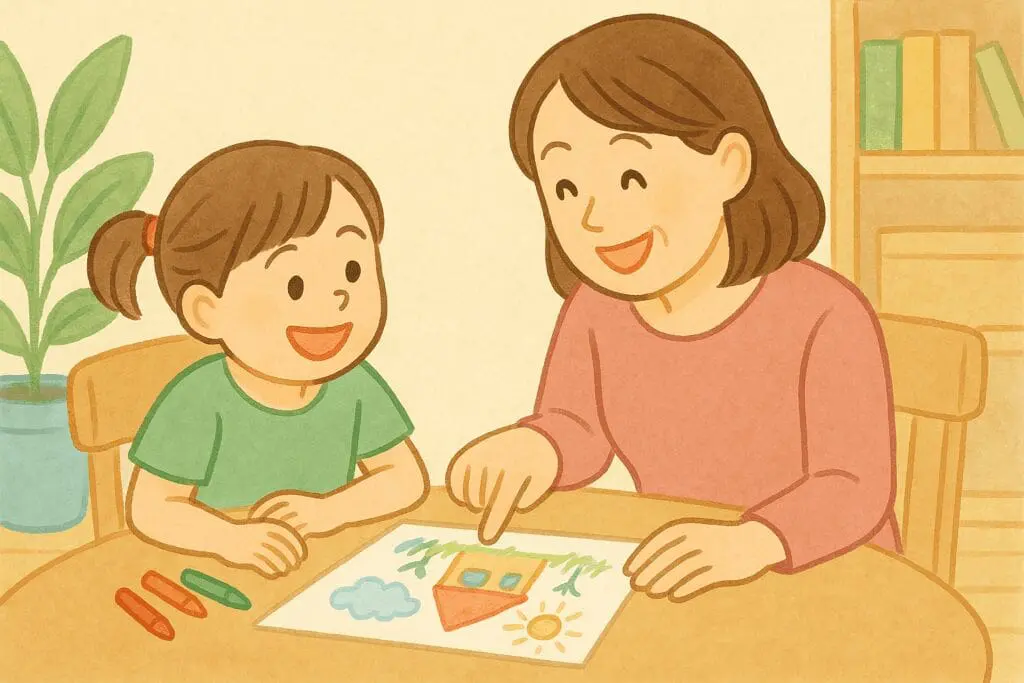
An effective way to compliment a step forward from "amazing"
- "Words that tell you what is really great"
By specifically telling them, "This part is amazing because it's devised," children will be able to understand their strengths. - "Words that recognize hard work"
The words "It was difficult, but you didn't give up and made it to the end" fosters an attitude of valuing the process. - "Words that are close to the child's feelings"
"I was frustrated" or "I was happy" and empathize with your child's emotions.
Words to nurture children's "love"
- "Words that respect children's interests and interests"
By showing interest in "I like it?" and "Can you tell me more about it?", you can feel the value of your interests. - "Words that support children's choices"
The words "You made your own decision, I will support that choice" fosters independence.
The power of words to turn failure into growth
- "Words that turn failure into learning"
By asking, "It didn't work out, what do you think I should do next?", you will develop a mind that is not afraid of failure. - "Words to honor challenges"
Tell them, "Your courage to try new things is amazing." - "Words that affirm your identity"
Unconditional affirmations such as "You're like you" and "You're okay with you" lead to emotional stability. - "Words to express gratitude"
By expressing gratitude such as "Thank you for your help," you can feel that you are useful. - "Words that show trust"
Words such as "I think you can do it" and "I believe in you" develop confidence and the courage to take on challenges.
What are the "curse words" that should be avoided? Expressions that hurt children's hearts
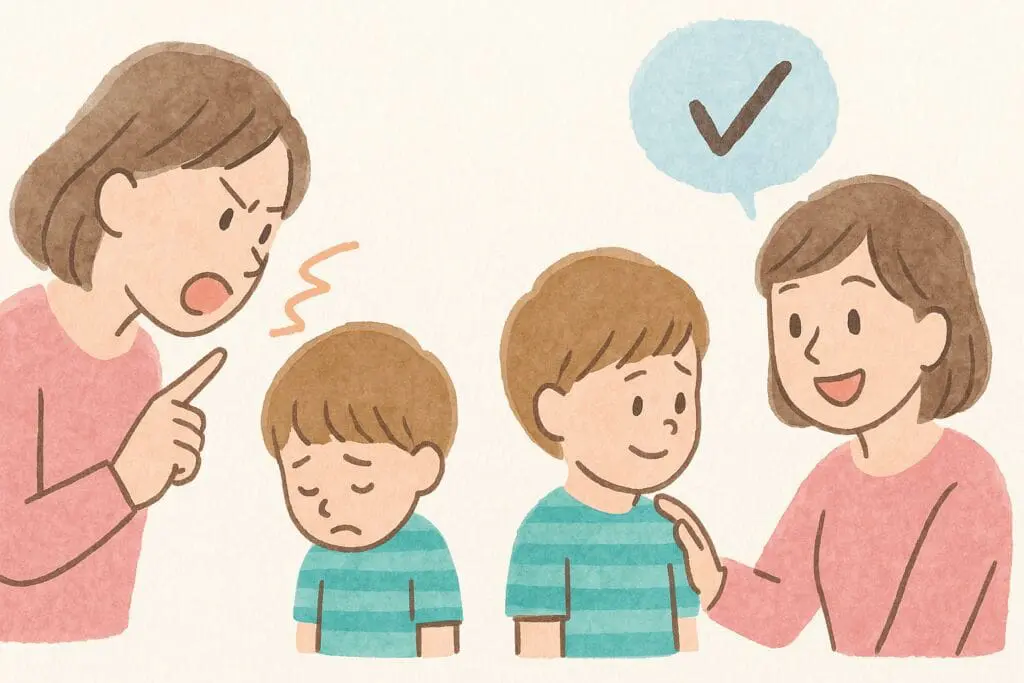
Negative words that are used unconsciously and their effects
- Words of comparison
Comparisons such as "my brother can do it" can lead to self-denial. - Stereotyped words
Assumptions such as "It's always like that" or "You're 〇〇 anyway" narrow the possibilities. - Hurry words
Rushing to "do it quickly" does not respect the child's pace.
What to do if you use curse words
- Apologize honestly
Apologize honestly, saying, "I didn't say it well earlier, I'm sorry." - Rephrase
After saying negative words, you can heal your wounds by resaying them in positive terms.
Parent-child communication that fosters a sense of self-esteem taught by Dr. Katsunori Ishida
Effective wording recommended by education experts
- Expression "I can do it" instead of "I can't do it"
By focusing on what they have grown, children can feel their own growth. - The question of "how" rather than "why"
Positive questions such as "What do you think I can do?" develop problem-solving skills. - Suggestion of "Why don't you try it?" instead of "Do it?"
Suggestive language that respects the child's will will draw out independence and motivation.

 Po Chip
Conversation techniques that can be practiced in everyday life
Dr. Ishida emphasizes the importance of "listening to the child's story to the end". By using "open questions" and valuing non-verbal communication, you can enrich your conversations with your children.
Creating an environment where children can express their feelings honestly
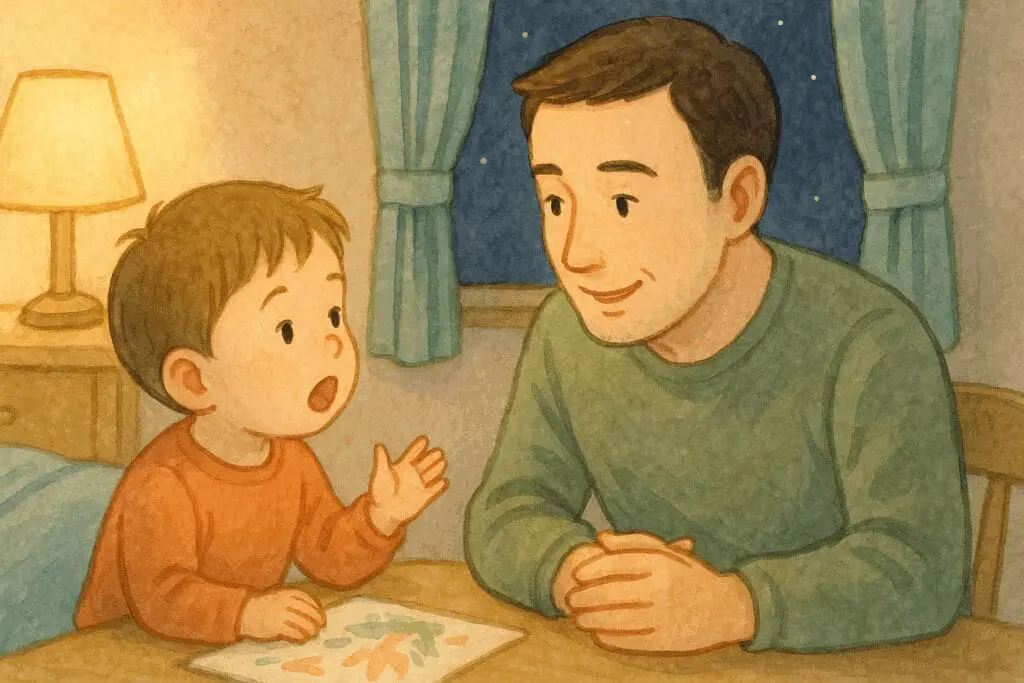
How to Cultivate Trust Through Parent-Child Time
Put down your smartphone and consciously create "quality time" to face your child. It is important to convey the message that "no matter what you do, you are your precious child" through words and attitudes.
How to treat children who value their "self"
By respecting children's preferences and opinions, even in small things, and creating a family culture where "failure is an opportunity to learn" will allow children to take on challenges with peace of mind.
By age: Words that increase children's self-esteem
Effective words in early childhood (3-5 years old)
Early childhood is the time when the foundation of self-esteem is formed. Simple and warm words such as "You did it!", "You like 〇〇", "Let's try it together", etc. are effective.
Communication that fosters self-esteem in elementary school students
For elementary school students, it is effective to acknowledge the child's thinking process and effort, such as "How did you come up with it?" or "It was difficult, but you didn't give up."
Nurture "I'm amazing!" through a special picture book experience.
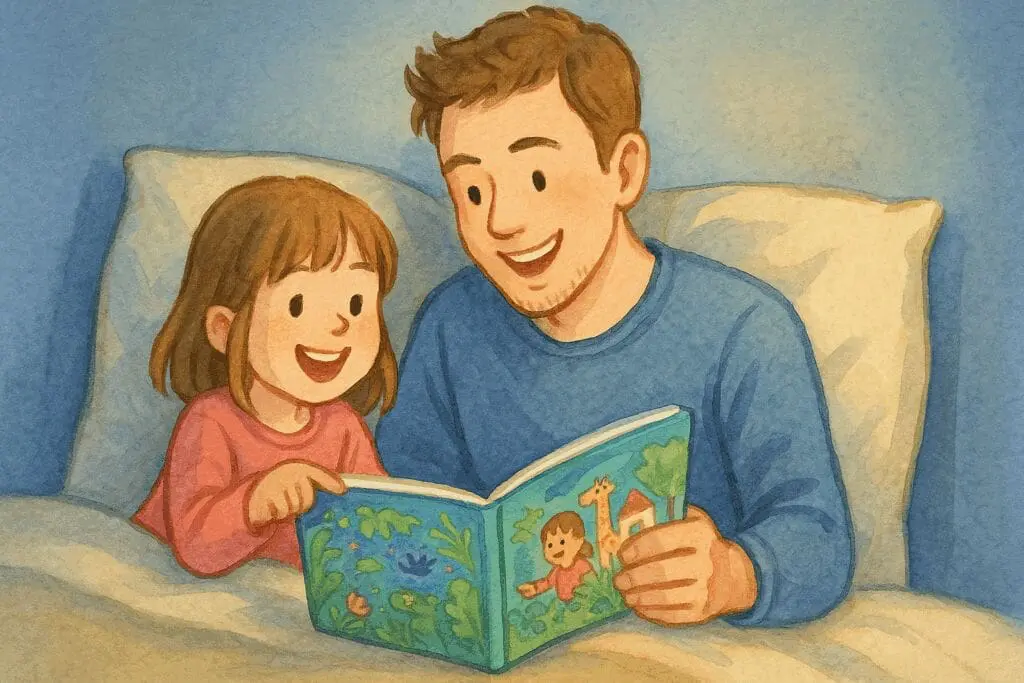
Self-affirmation and imagination nurtured through stories
Reading picture books has a great impact on children's mental growth. It superimposes oneself on the figure of the main character overcoming difficulties, which leads to the confidence that "I might be able to do it too."
Why choose MY STELLA's personalized picture books?
Would you like to give away a "one-of-a-kind" adventure?
MY STELLA's "Search! Mysterious Sekai Ryoko" is a personalized picture book featuring children's names and appearances. It is a story about traveling in a mysterious world that expands with each page, enjoying "search pictures".
A special book that combines play elements that children can be immersed in and stories that foster a sense of self-esteem. Why not give a "story for this child" for a birthday or baby gift?
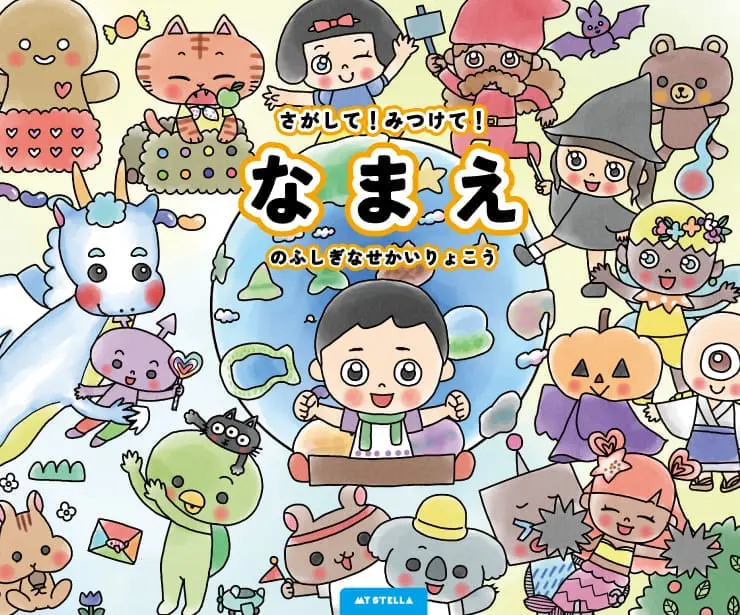
Look for it! Find it! Mysterious
Personalization for the whole family, dad, mom, and me appear!
A search picture book with a name that is perfect for birthday celebrations. Travel to a total of 11 mysterious countries, including the land of wizards, fairies, and dragons. Full of surprising gimmicks! Customize your child's name, as well as their hairstyle and skin color. A great adventure for the whole family! There is also an album page for the whole family!
See details
Summary|Daily words to foster children's self-esteem
How to practice magic words that you can start today
- Add a positive word to your morning "good morning"
- Make it a habit to ask "3 good things that happened today" before going to bed
- Parents themselves should show that they take care of themselves
The importance of time to deepen the bond between parents and children
The child's "now" will never come back. Even in the midst of daily busyness, I suddenly stop, look into the child's eyes and listen to the story, read a picture book together, enjoy simple play... The accumulation of such warm time nurtures the child's heart and deepens the bond between parents and children.
By continuing to convey the message "You are wonderful as you are" through words and attitudes, your child will move forward with confidence in his or her life. Why don't you start practicing "magic words" in your home today?
#自己肯定感 #子育て #魔法のことば #子どもの成長 #親子コミュニケーション #教育 #学習塾 #絵本プレゼント #出産祝い #名前入り絵本 #マイステラ