A special moment full of children's smiles. My child happily says, "I have made a friend!"
But if the other person Invisible "imaginary friends" If you know that, as a parent, you may feel a little strange.
In fact, these "imaginary friends" are also from the perspective of child developmental psychology Natural phenomenon It is an important existence that enriches the hearts of children. Imaginary friends enrich children's minds 。It relieves anxiety and loneliness, fosters creativity, and enhances communication skills It is said.
In this article, The effect of Imaginary Friends on children And, Why do children need an Imaginary Friend? How should we accept and nurture the imaginary world? Important imaginary friends that foster children's self-esteem and points for children and parents to get along well I will explain it in an easy-to-understand manner.
Basic knowledge of Imaginary Friend
What is an Imaginary Friend? Definition and characteristics
Imaginary Friend is It is an invisible existence that children create in their minds, and psychological phenomena that naturally appear in the process of children's growth It is known as.
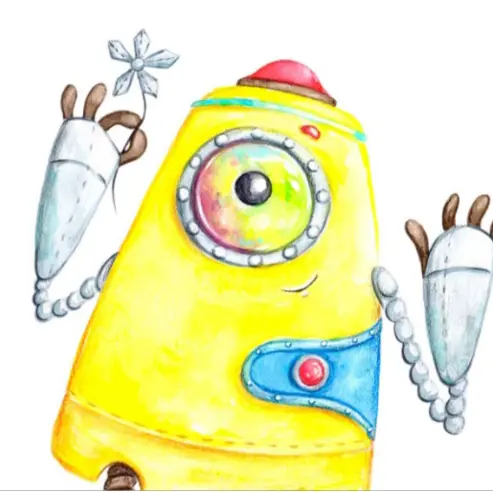
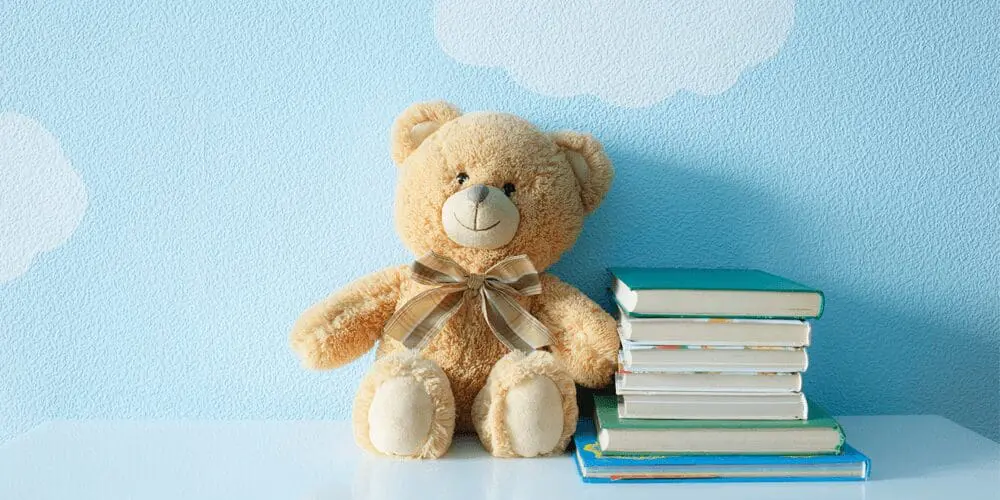
- In some cases, you may borrow the appearance of a stuffed animal or doll, Animals and fictional creatures , and sometimes appears as a friend of a non-existent human.
- Emotional support, sharing anxiety and joy "Companion" It plays a role like this.
Juntendo University Research According to , Imaginary Friends play a role in supporting children's adaptability and deepen their self-understanding.
Among them, the psychological effects of animals and stuffed animals have attracted particular attention. An important presence that can be emotional support for children and share joy and anxiety It comes to.
When did it appear and how long does it last?
- Many 2-7 years old It is common for it to disappear on its own by around the middle grade of elementary school.
- Regardless of whether there are brothers or sisters, A certain number of children have imaginary friends It is said.
- There are many individual differences and may last for a long time, but most of them fade out as they grow.
Imaginary friends are considered a very natural phenomenon that is often seen in the process of children's growth. It is especially common in kindergartens and nursery schools, from the middle to the older, when the imagination is more enriched, and can be regarded as one of the creative expressions and emotional expressions. This period is an important stage in the development of social skills as awareness of self and others begins to grow. is.
Why do children make imaginary friends?
There are various reasons why children create imaginary friends.
- Adaptation to new environments
- Elimination of loneliness
- Emotional expression exercises
- To cultivate self-understanding and self-affirmation
The existence of an imaginary friend is A place where you can safely express emotions and thoughts that are difficult to put into words in the real world provides. Among them, interaction through stuffed animals is close to the child's heart, An important role in supporting self-understanding and emotional expression I will play it.
Also, this is With or without brothers and sisters Research has shown that it is a phenomenon that can be seen. Even if they have siblings or only children, children create imaginary beings by seeking "their own special friends".
In addition, characters that are easy for children to get used to, such as Doraemon and Totoro, Sense of security and emotional support It is said that it is easy to become an "imaginary friend". In fact, research in developmental psychology shows that imaginary friends Increased self-esteem and reduced anxiety It is also suggested that it is effective.
4 effects of Imaginary Friends on children
Imaginary friends are special beings that play an important role in the development of children's minds is. Psychological research shows that children with imaginary friends have a variety of positive effects.
Improved emotional control
Children become imaginary friends Confide in anxiety, anger, sadness, etc. This will make it easier to organize your emotions.
- In research, children with imaginary friends Good at dealing with stress There are also reports such as.
- The experience of putting your feelings into words and being accepted by the other person Emotional stability It will greatly contribute to
Research by the Japan Society of Educational Psychology According to the report, through intercourse with imaginary friends, children develop self-control skills and gain emotional stability. Another study reported that children with imaginary friends coped better with stress.
Development of creativity and imagination
Through adventures and conversations with their imaginary friends, children Ability to generate new ideas and problem-solving skills Cultivate
- It may also serve as the basis for artistic sensibilities and imaginative thinking.
- Some cognitive science experiments suggest that it also affects the ability to think in adulthood.
Rich interaction with imaginary friends greatly fosters children's creativity. Through various stories and adventures that unfold in a fantasy world, children develop their ability to generate new ideas and problem-solving skills 。
In terms of the possibility of serving as the foundation for artistic sensibilities and creative thinking, the 2022 Science Agora "Cognitive science× imagination = adult version of Imaginary Friend" was carried out. In this project, by using the pendulum thinking "blend mind" of the right brain (instinct) and left brain (logic), new questions and thinking habits were discovered. Suggests that it may contribute to the development of creativity It was done.
In addition, the Tokyo Design Plex Research Institute's " Future Design Lab ", Imaginary Friend Beings that enhance imagination from the perspective of cognitive science It is attracting attention as follows.
Through these studies and initiatives, Engaging with an Imaginary Friend is an important factor in developing flexibility in thinking and encouraging creative thinking It has been shown that it is possible.
Isn't my child the only one who has an imaginary friend?" Many parents are worried. However, in developmental psychology research, About 40% of children aged 3-7 have some form of imaginary friend It has been confirmed that
Growth of communication skills
Conversations with imaginary friends can also lead to improved communication skills in actual interpersonal relationships. You will naturally acquire the ability to think from the other person's point of view and the ability to express your feelings appropriately 。
This effect has been confirmed in many childcare settings to have a positive impact on children's smiles as well as their interactions with friends in kindergarten and nursery school.
Cultivating self-esteem
Interacting with an imaginary friend who accepts you unconditionally is a good idea for your child. The feeling that you are important It will bring you Through relationships with beings who create a safe place in the child's mind and accept them unconditionally, a sense of self-esteem is naturally nurtured.
Self-expression through plush toys
The psychological role of plush toys has important implications for children's development. Many children choose their favorite animal or their favorite stuffed animal as their imaginary friend. This is because animals are characterized by their honest emotional expression and easy imagination of gestures close to humans.
- Stuffed animals Because there is an entity to touch, it is easy to project emotions It is characterized by.
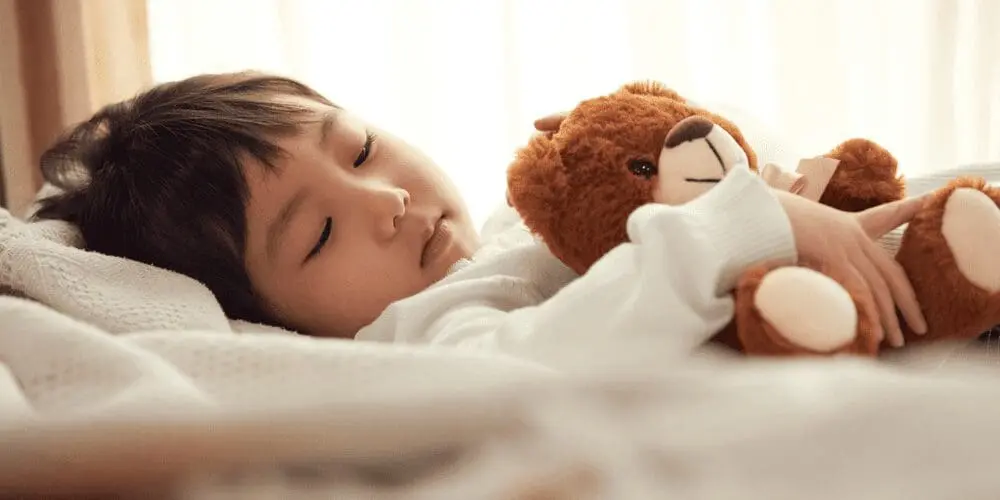
- The habit of sleeping with a stuffed animal in your arms at night is a child's Peace of mind At the same time, Emotional expression exercises It will also be.
Dialogue effect with "other self"
Imaginary friends sometimes become a projection of the child's ideal self and the self they want to be. Through this dialogue with the "other self", children deepen their self-understanding and form a healthy self-image 。
How to successfully engage with your child's imaginary friend
Time spent interacting with an imaginary friend is an irreplaceable opportunity for children to grow their minds. Through interactions with imaginary beings, children understand their own emotions and learn to relate to others 。
How to treat the imaginary world
If your child starts talking about their imaginary friends, First of all, don't deny it is important.
- He showed interest and asked, "What kind of child are you?" and "Where are you from?" etc., Empathetic Questions Let's liven up the conversation.
- Answer questions about imaginary friends sincerely
- Don't impose adult values, Respect the worldview created by children The point is the attitude to do it.
A 2022 study by Tokyo Gakugei University confirmed through interview surveys that imaginary friends are an encouragement and a counselor for children.
Developmental psychology research also suggests that having an imaginary friend may encourage children's creative and social development. In addition, it has been shown that imaginary friends in early childhood promote intrapersonal dialogue and contribute to inner development.
How to play with stuffed animals
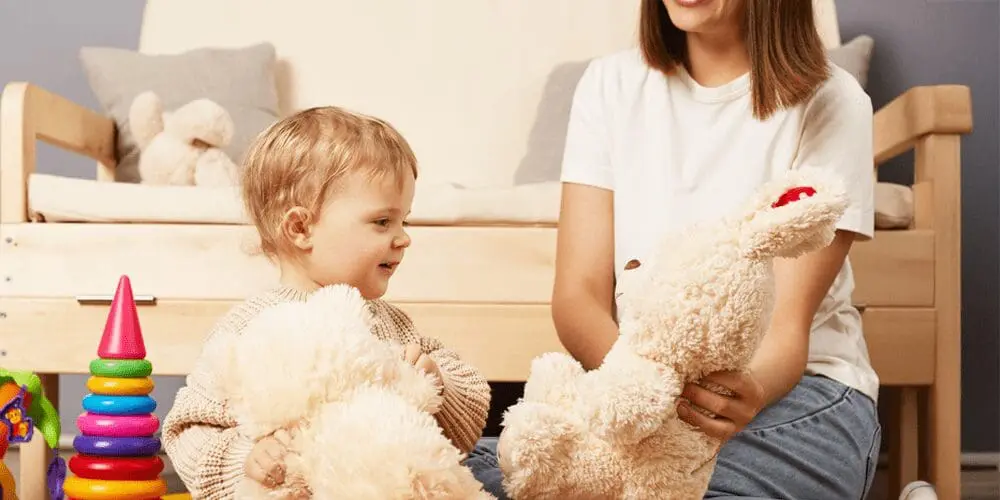
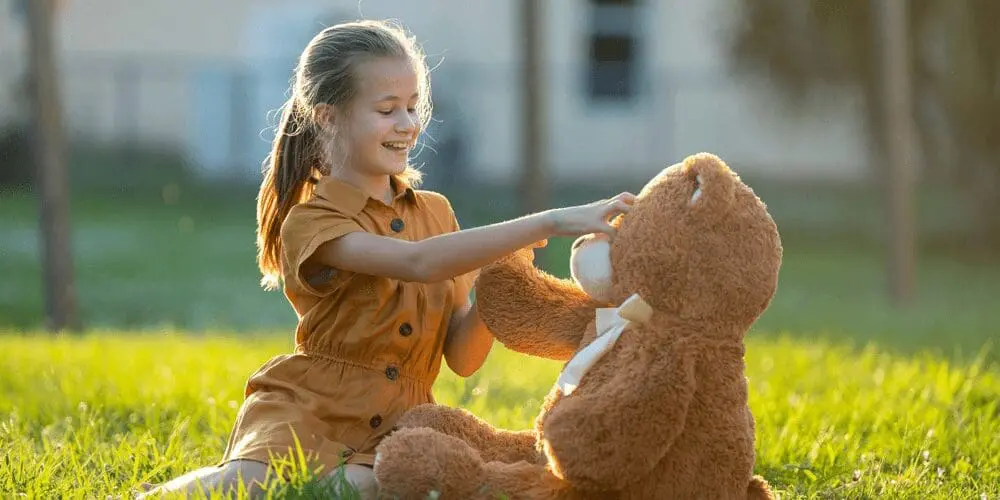
The psychological benefits of plush toys are widely recognized. Many children embody their imaginary friends through stuffed animals. Plush toys are both reassuring and an important tool for nurturing imagination It comes to.
Ideas for imaginary play that parents and children can enjoy together
- Hold a tea party with your favorite stuffed animals
- Creating a story with a stuffed animal as the main character
- In reading to the story before going to bed, enjoy holding the stuffed animal while preparing for bed
▼Episode at nursery school: Making a "bus" with an imaginary friend
At one nursery school, children enjoyed playing crafts of "a bus with an imaginary friend". It is a setting in which each person's "invisible friend" gets on a small bus made of construction paper and milk cartons.
Sir, "What kind of child is your imaginary friend?"
Child 1 "My tiger likes the southern islands because there are a lot of pineapples!"
Child 2 "I want to venture into the sea with Mr. Kuma!"
The children decided on a destination according to their imaginary friends' tastes and were excited with unexpected ideas. When the teacher takes it as "Wow, that's interesting!", the children will be even more excited and fantasize.
Through this kind of play, children learn social skills and engage with them at an appropriate distance, expanding a richer world of imagination 。
Even if you try it with your child, you can make a vehicle using familiar materials and ask, "Where are you going today?", and your child may start talking about various imaginary friends and worldviews.
Tips for being close to your child's feelings
When a child confides their anxieties and worries to their imaginary friends, it may be an SOS sign to their parents 。
- "That's impossible," he said, "That's right, thank you for telling me." Try to have an accepting attitude.
- Behind the child's words Emotions and demands It is important to understand this and create an atmosphere where you can talk with peace of mind.
- Try to create an environment where children can explore the world of imagination with peace of mind
▼Example of a conversation between parents and children: A scene where an imaginary friend encourages you
5-year-old A-chan talks to her favorite stuffed rabbit at night before going to bed.
A-chan "Usagi-san, I couldn't say I'm sorry for having a fight with my friend today... What should I do tomorrow?"
Mom "What is Mr. Usagi saying?"
A-chan "'If you do it tomorrow, you'll definitely be able to make up.'"
Mom "That's right, both Usagi and A-chan will support their mothers so that they can be brave. Does it look good?"
A-chan "Yes! Thank you, Rabbit!"
In this way, through imaginary friends (stuffed animals), you can see children who are able to sort out their anxieties and doubts. As long as parents keep in mind the attitude of "not denying", their children's feelings will be accepted and the role of imaginary friends will be more demonstrated.
By being close to the child's inner world, the relationship of trust between parents and children is deepened, and the healthy development of the child's mind can be supported 。
Create wonderful memories with your imaginary friends
Creating memories with an imaginary friend is an important experience that will be deeply engraved in the hearts of children. The special time spent with imaginary friends becomes a warm soil that supports the growth of children's minds It is.
Adventure play in the story
- 『Guri to Gura 』and 『Please take a chair 』, along with characters that appear in stories such as "Doraemon" Pretend play If you do, your imagination will be even richer.
- Before going to bed with your favorite stuffed animal in your arms 20 minutes of reading So, you can enjoy the world of picture books with your imaginary friends.
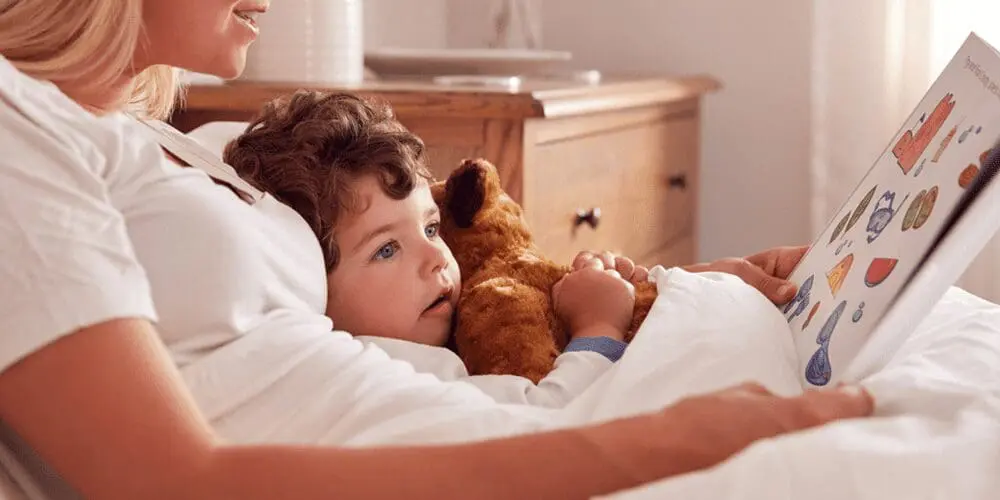
Time to read a picture book in the futon while hugging your favorite stuffed animal. Those moments spent holding your stuffed animal and getting ready for bed are the best opportunities to develop your imagination.
The world of picture books and fairy tales provides the perfect setting for adventures with your imaginary friends. The experience of diving into the world of stories with imaginary friends will be irreplaceable memories 。By enjoying picture book adventures with an imaginary friend, children develop a rich imagination and empathy 。
How to engage in everyday life to nurture imagination
Even in everyday life, there are plenty of opportunities to make wonderful memories with your imaginary friends. Rejoice together in the small discoveries you find during your walk, or draw an imaginary friend during drawing time. Casual daily events will be engraved in your heart as special memories spent with your imaginary friends 。
Cleaning up and meal time can also be a fun activity with an imaginary friend. Through calls such as "I'll clean up the dolls together" and "Rabbits also eat vegetables", Watching daily habits naturally acquire is one of the best parts of raising children is.
In educational materials such as children's charenji, role-play through stuffed animals is actively incorporated. By using these materials, you can increase opportunities for imaginative play between parents and children and improve children's social and communication skills.
Tips for watching your child's mental growth
Imaginary Friend is a child's "Another important being" is. There you can share your anxiety, conflict, and joy. Warm relationship is spreading. By respecting the world of parents, children Rich imagination and self-affirmation We will nurture it.
Sometimes I confide my worries to my imaginary friends, and sometimes I share fun adventures. It is important to watch over such a rich heart-to-heart exchange with warmth. Creating an environment where children can explore the world of imagination with peace of mind is the foundation that supports healthy mental growth It is.
"If my child tells me about a strange friend—"
Why don't you dive into the world of adventure together? It will be an irreplaceable opportunity to understand the child's mind and watch them grow.
References and Sources
Research at Tokyo Gakugei University
Akiko Yamagishi. "Examination of the psychological role of imaginary companions (ICs)"
Bulletin of Tokyo Gakugei University (Psychological Research), Vol. 60, 2022.
Research on Imaginary Friend in Early Childhood
Grants-in-Aid for Scientific Research (Grants-in-Aid for Scientific Research) "Psychological Research on Children's Imaginary Play"
"With an Imaginary Friend"
Michelle Cuevas (Author), Nanae Sugita (Translation). "Imaginary Friend and (Children's Book)" Shogakukan, 2019.
JST Science and Technology Agency Science Agora 2022
Science Agora 2022 "Cognitive Science" ×Imagination = Adult version of Imaginary Friend"
The Influence of Imaginary Friend in Developmental Psychology
Research Report of the Center for the Future of the Mind, Kyoto University
The Developmental Psychological Significance of "Imaginary Companions" for Children
Akiko Yamagishi. "The Developmental Psychological Significance of 'Imaginary Companions' for Children"
Juntendo Health and Nursing Research, Vol. 5, 2017, pp. 41-52.
A Study on "Imaginary Companions" in Adolescence
Satoshi Yamaguchi, "A Study on 'Imaginary Companions' in Adolescence," Bulletin of the Graduate School of Education, Kyoto University, No. 53, 2007, pp. 111-120.
Imaginary Friend #子どもの成長 #想像力 #発達心理学 #ぬいぐるみ #自己肯定感 #コミュニケーション力 #親子関係 #育児 #STELLA LAB